

New Delhi signals major shift on Indus Waters Treaty as Pakistan warns of “water aggression” and experts question feasibility of diversion plans.
Image: BBC
India’s Water Minister CR Patil has said the government is working to ensure that “not a single drop of water” from shared rivers will flow into Pakistan in the coming years, following directives from Prime Minister Narendra Modi.
Speaking to Indian media, Patil said India is “actively working” on measures after New Delhi suspended its participation in the 1960 Indus Waters Treaty last year. The treaty governs the sharing of six rivers in the Indus basin, a vital water source for both countries.
Pakistan has strongly rejected any attempt to alter river flows, calling such actions an “act of war” and insisting that the treaty remains legally binding with no provision for unilateral withdrawal.
Islamabad has also accused India of attempting to “weaponise” water, warning that politicising shared resources could threaten regional stability and violate international obligations.
The dispute escalated after India suspended the treaty following a 2025 incident in Indian-administered Kashmir, an allegation Pakistan denies.
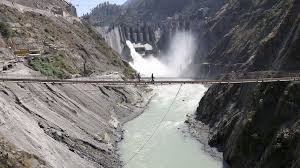
Recent Indian projects and tenders involving the Chenab River have further heightened tensions, including plans linked to hydropower and water diversion. Indian officials say these steps are part of infrastructure development following the treaty suspension.
However, experts note that India’s current dam infrastructure is not capable of fully stopping or redirecting river flows to Pakistan and can mainly regulate timing and volume of water release. They also say any large-scale diversion projects would take several years to complete.
Officials in the region estimate that major new infrastructure would not be operational before 2027 and could take at least five years to fully implement, meaning immediate changes to water flows remain unlikely.