
Fresh political controversy has emerged in West Bengal after the Kashmir Media Service (KMS) alleged that India’s ruling Bharatiya Janata Party (BJP) was pursuing a broader strategic agenda linked to the region’s geographical and economic resources.
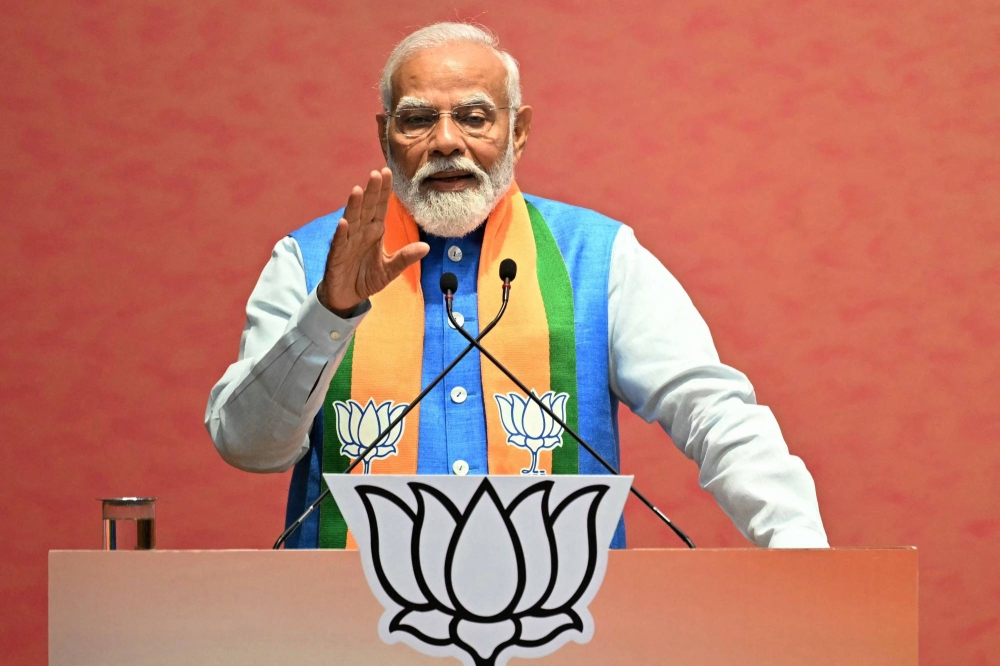
Image: The Japan Times
KMS claimed that alleged irregularities in West Bengal elections had exposed what it described as political interference aimed at weakening the influence of former chief minister Mamata Banerjee.
The organisation alleged that Banerjee’s government was removed through manipulation of electoral processes and voter lists, claiming she had opposed the use of West Bengal’s territory against neighbouring countries including China and Bangladesh.
KMS further alleged that after the BJP strengthened its position in the state, strategic land near the Siliguri Corridor was transferred to the Indian central government.
The 22-kilometre-long Siliguri Corridor, commonly known as the “Chicken’s Neck,” is considered a strategically sensitive route connecting India with its northeastern states.
According to the report, the federal government used concerns over security threats from China as justification for taking control of land in the area.
KMS alleged that the corridor was being utilised as part of a broader regional strategy aimed at increasing pressure on China, Bangladesh, and Nepal.
The organisation also claimed that growing federal control over strategic and natural resources had weakened West Bengal’s regional autonomy and contributed to rising political and security tensions.
Political analysts quoted in the report described the situation as a new phase of political manipulation and economic exploitation, warning that aggressive federal policies could further impact regional stability and governance. The BJP and Indian authorities had not issued any immediate response to the allegations.