

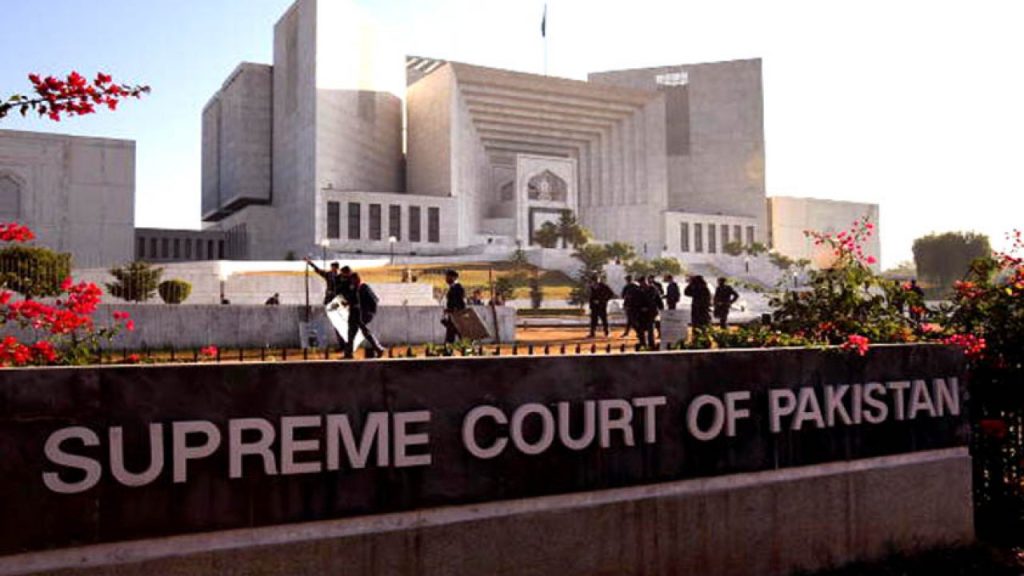
ISLAMABAD: The Supreme Court of Pakistan has ruled that the Supreme Court and the Federal Constitutional Court (FCC) are “coordinate courts” operating within distinct constitutional jurisdictions, with neither institution subordinate to the other.
A two-member bench comprising Chief Justice Yahya Afridi and Justice Shahid Bilal Hassan issued the ruling while hearing multiple petitions, clarifying the constitutional division of powers following the 27th Constitutional Amendment.
The case stemmed from a Peshawar High Court decision in which constitutional writ proceedings and regular civil matters were clubbed together and later brought before the Supreme Court.
The apex court directed that such proceedings must be separated and routed to their respective forums under the post-amendment framework.
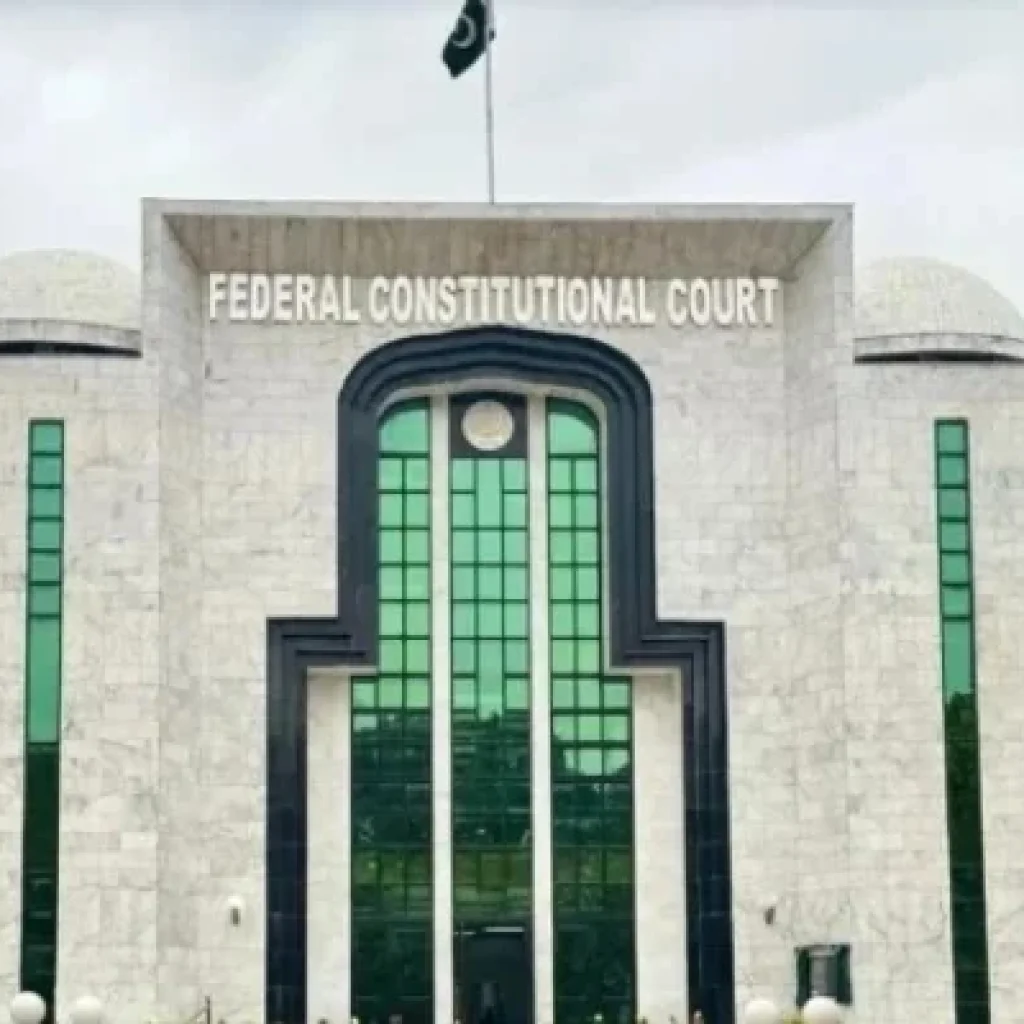
According to the judgment, writ petitions under Article 199 now fall exclusively within the jurisdiction of the Federal Constitutional Court, while regular civil and appellate matters will continue to be heard by the Supreme Court under Article 185.
The court further noted that, under Article 175F introduced through the 27th Amendment, appeals arising from High Court judgments in constitutional matters stand transferred to the FCC, except cases relating to rent and family disputes.
It observed that the constitutional structure now establishes two independent apex courts operating in separate domains rather than a hierarchical appellate system.
The judgment also clarified that Article 189, which deals with binding precedents, does not create subordination between the two courts. It added that while legal principles laid down by the FCC will be binding, neither court can act as an appellate forum over the other.
To avoid jurisdictional conflicts, the court directed that all clubbed cases be “de-clubbed” and sent to the appropriate forums.
Invoking the principle of judicial comity, the court stressed that both courts must exercise restraint to avoid conflicting interpretations of law.
Finally, the court ruled that contempt proceedings related to Supreme Court orders will remain within its jurisdiction, even after the constitutional changes.