

Dr. Moazzam Waheed Sheikh – A fresh breather for the underserved district of Jhang: by Rida Abbas Shah
Jhang has always been important not only because of its fertile lands, rivers, and ancient culture, but also because of the social values, strong community ties, and spirit of public service among its people. This city has produced many political, religious, literary, and social personalities who left their mark in different fields. However, over time, the people of Jhang felt the need for a leadership that would not treat politics only as a path to power, but as a way to serve humanity and improve society. In such an environment, Dr. Moazzam Waheed Sheikh has emerged like a fresh breeze of spring in the autumn of Jhang. He has tried to connect politics with social welfare, public service, and human needs instead of blame, hatred, and conflict. That is why many people in Jhang now see his activities not just as political efforts, but as a social movement.
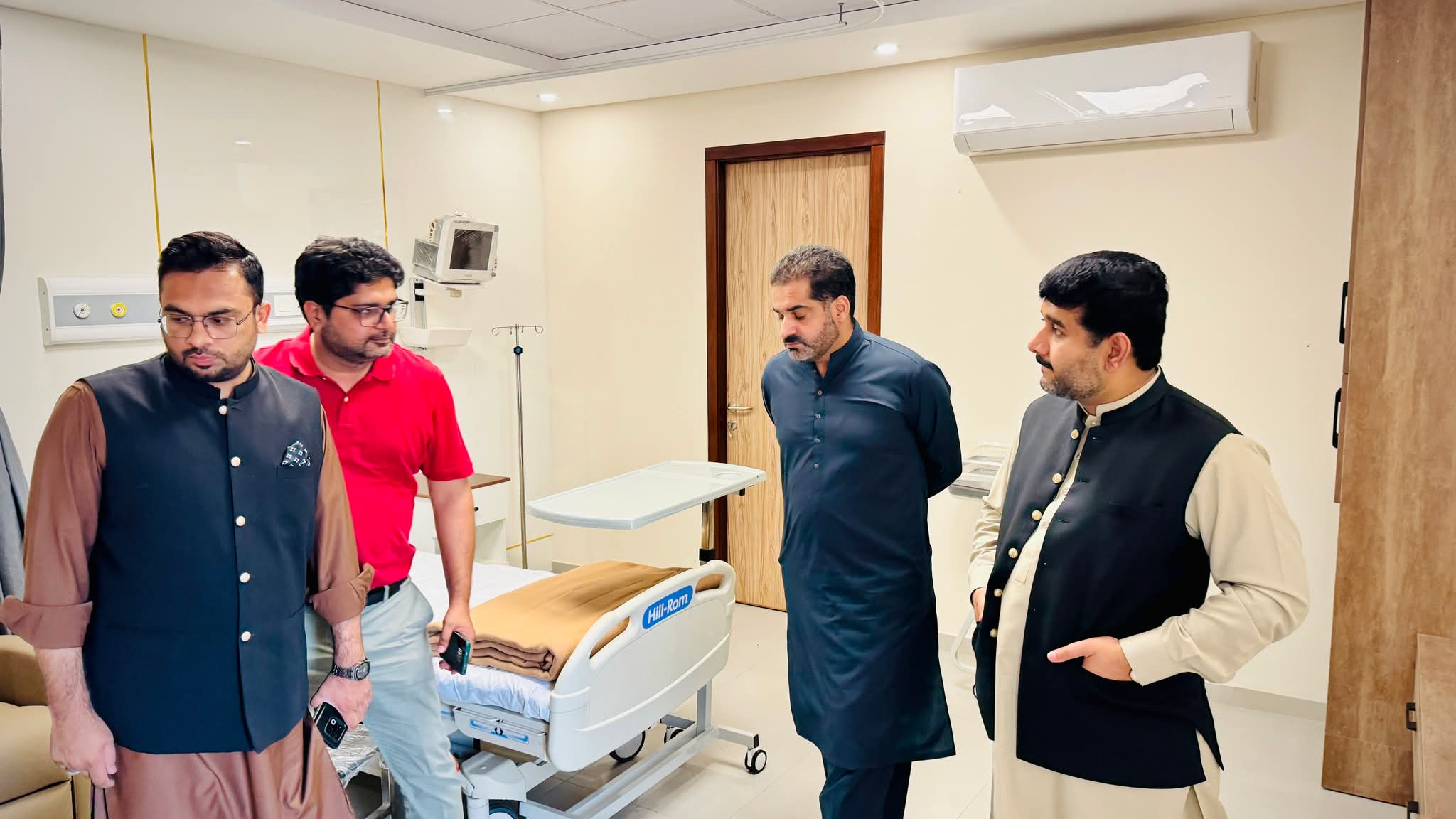
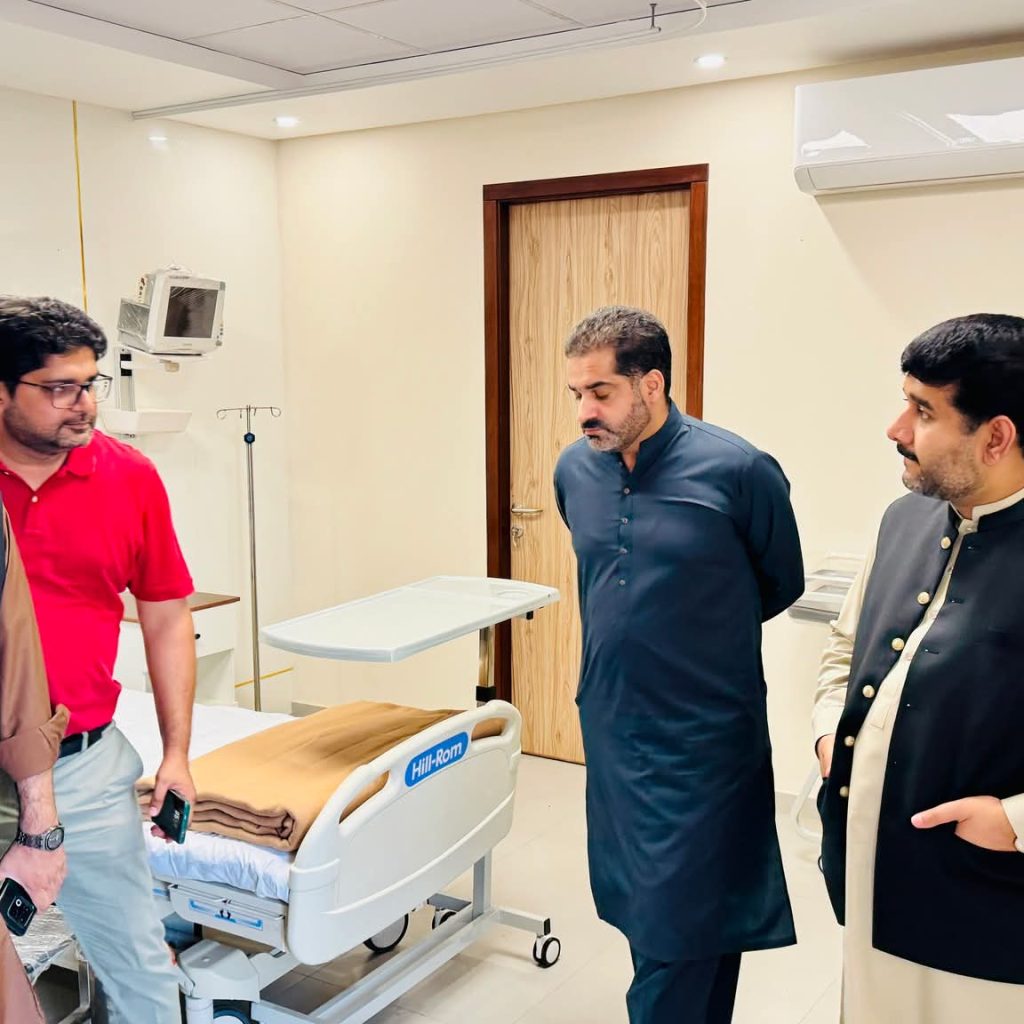
Dr. Moazzam Waheed Sheikh is performing many responsibilities at the same time. He is the Secretary of Gymkhana Club Jhang, the President of Sheikh Sharif Memorial Trust, and is actively involved in several welfare projects. However, his real identity is being shaped by the public welfare work that has directly affected the lives of ordinary people. In a city like Jhang, where basic healthcare facilities have remained a major problem for many years, the establishment of Hilal-e-Ahmar Hospital Jhang City is considered an extraordinary achievement. This hospital is not just a building or a project, but the realization of a dream to provide quality healthcare, dignity, and comfort to common citizens. The 100-bed hospital is proof that with sincere intentions and a clear vision, great achievements can be made even at the local level.
The Sheikh Sharif Memorial Trust has donated 3,200 million rupees for the construction and expansion of the hospital and has also promised to provide 2 million rupees every month. This reflects the belief that social service requires practical action and financial commitment, not just speeches. In Pakistan, many politicians make big promises in public gatherings, but practical results are often missing. Dr. Moazzam Waheed Sheikh has tried to break this impression. He has delivered the message that if political and social leaders truly understand public problems, major improvements can be made in healthcare, education, water supply, and other basic facilities.
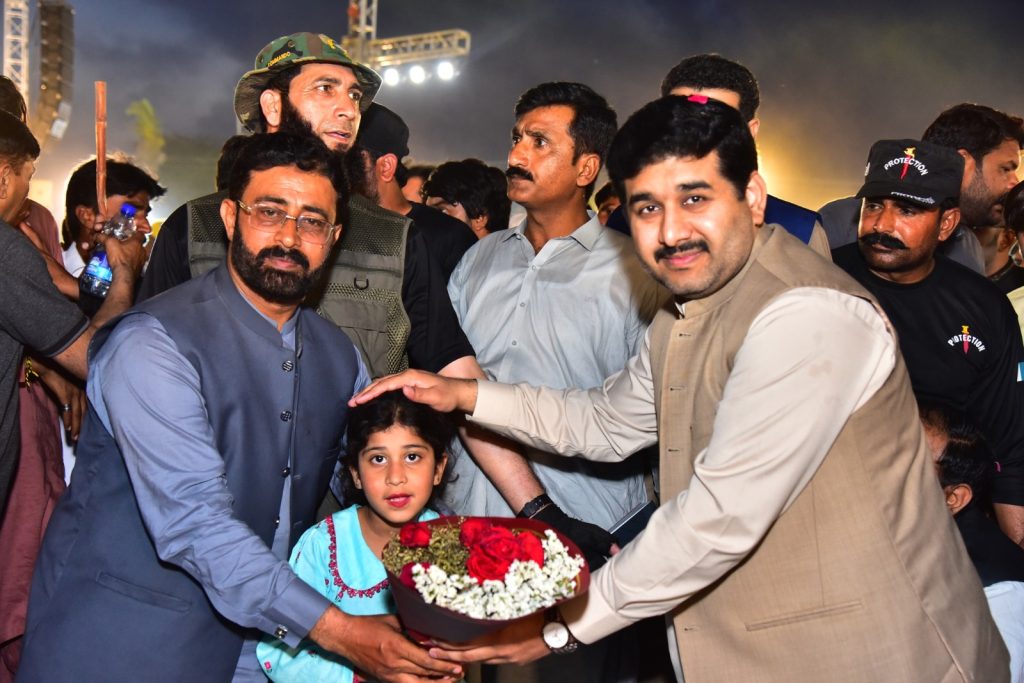
During the inauguration ceremony of the hospital, he addressed thousands of people and promised that the journey of public service would continue. Although such words may sound like a political slogan, the ongoing welfare projects show seriousness and practical commitment behind them. The condition of healthcare in Jhang has remained weak for years. People from rural areas often travel to larger cities even for basic treatment. The lack of maternity facilities, children’s healthcare centers, and emergency medical services has been a long-standing issue. In this situation, the planned state-of-the-art gynecology, pediatrics, cardiology hospitals, and burn center are very important developments. If these projects are completed successfully and maintained properly, they could benefit not only Jhang but also nearby areas.
Dr. Moazzam Waheed Sheikh’s social work is not limited to healthcare alone. His attention to clean drinking water shows that he understands the real needs of human life. The establishment of an RO water filtration plant in Chak No. 443 Hassan Shah is a project that directly affects the daily lives of local residents. In many rural areas of Pakistan, access to clean drinking water has become a serious problem. Contaminated water causes many diseases, and poor communities suffer the most. In such conditions, water filtration plants are not just development projects but also efforts to protect public health. The plant established at Ayesha Mosque Hassan Shah proves that with good intentions and proper management, even small projects can improve the lives of thousands of people.
For a long time, politics in Jhang revolved around groups, families, and election interests. There was a lot of talk about public service, but practical welfare projects were rarely seen. A major feature of Dr. Moazzam Waheed Sheikh’s politics is that he is trying to make development and welfare his true identity. He understands that in the modern world, slogans and rallies alone cannot satisfy people. Citizens now want to see whether hospitals are being built, clean water is available, and opportunities are being created for the youth. That is why his activities are being viewed as part of a new political trend in Jhang, where service is becoming the center of politics.
It is also true that the real success of any social project is tested over time. Building a hospital is only the first step. The real challenge is to maintain qualified doctors, medicines, transparency, and continuous funding. Similarly, water filtration plants can only succeed if they remain active and properly managed. For Dr. Moazzam Waheed Sheikh, the main challenge is to turn these projects into long-lasting welfare institutions instead of temporary publicity campaigns. If he succeeds, his name may be remembered as an important figure in the social history of Jhang.
Today, many people in Pakistan are disappointed with politics. They are tired of empty slogans and political conflicts. People now want leaders who can practically improve their lives. This is why those who focus on education, healthcare, clean water, and welfare projects are gaining respect among the public. Dr. Moazzam Waheed Sheikh’s growing role is being viewed in this context. He has at least created the feeling that politics is not only about winning seats in assemblies, but also about improving human lives.
In a city like Jhang, where the younger generation faces uncertainty, unemployment, and social tension, welfare projects create hope. A modern hospital, clean water facilities, and ongoing public service projects send a message to young people that development is not only the right of big cities. If local leadership is serious, smaller cities can also become examples of progress. This thinking may become an important part of future politics.
Another important aspect of Dr. Moazzam Waheed Sheikh’s personality is that he does not limit social service to charity alone. He presents it as a collective responsibility. The involvement of local communities and public participation in his projects shows that he wants social development to become a shared effort. This is the same model that is considered successful in developed societies, where the state, social institutions, and local leadership work together to solve public problems.
At present, Jhang stands at a turning point where it needs construction, education, healthcare, and social harmony more than hatred and division. If the new leadership of the city truly moves forward with the spirit of service, it can change the political atmosphere of Jhang. Dr. Moazzam Waheed Sheikh’s current activities give a glimpse of that direction. Like a breeze of spring in an autumn-stricken environment, he is keeping alive the hope that politics can once again be connected with humanity and public service.
Only time will decide how successful this journey becomes, but one thing is clear: the new activities in healthcare and social welfare in Jhang have created fresh hope among the people. If this continuity remains, projects move forward transparently, and the spirit of service stays above political interests, a new tradition may emerge in Jhang’s politics . . . a tradition where human beings, not power, become the center of attention.
Rida Abbas Shah is a young entrepreneur and freelance writer.