

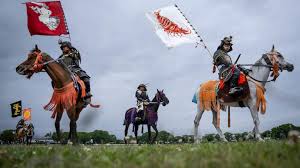
Soma Nomaoi shifts dates as climate change and ageing population threaten 1,000-year-old tradition.
Image: Tuoi tre News
Soma Nomaoi, a thousand-year-old samurai horse festival in Japan, is facing a modern challenge: extreme heat linked to climate change. The event, held in northeastern Japan near Minamisoma, has survived wars, disasters, and even the Fukushima nuclear crisis, but rising temperatures are now forcing changes.
Traditionally held during Japan’s hottest summer months, the festival saw riders and horses suffer heatstroke, with some animals dying in extreme conditions. Organisers have now moved the event to late May to avoid dangerous heat, which has reached nearly 40°C in recent years.
Participants still compete in samurai armour weighing around 25 kg, taking part in horse races and flag-catching events that date back centuries. Riders say the experience remains physically demanding but more manageable under cooler conditions, with veterans noting improved safety and performance.
The festival began as military training for mounted samurai and has been held for centuries in some form. It continues to serve as a cultural symbol for the region, even after disasters like the 2011 earthquake and tsunami.
However, organisers warn the future is uncertain due to Japan’s ageing population and declining number of participants. While the date change has helped, long-time riders say the festival’s survival will depend on attracting younger generations to keep the tradition alive.


