
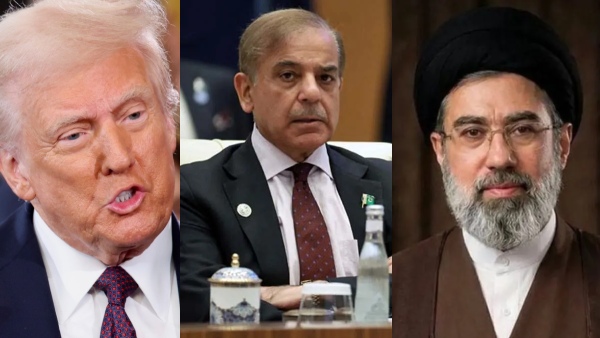
Iran said on Sunday that it had received a response from the United States regarding its latest peace proposal, coming a day after President Donald Trump indicated he was likely to reject it, arguing that Iran had “not paid a big enough price” for past actions.
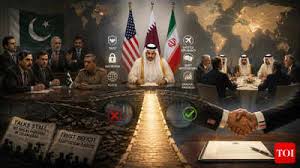
According to Iranian state media, Washington’s reply to Tehran’s 14-point plan was delivered through Pakistan, and Iranian officials are currently examining it. Neither Washington nor Islamabad immediately confirmed the exchange.
Iran’s Foreign Ministry spokesperson Esmaeil Baghaei was quoted by state media as saying, “At this stage, we do not have nuclear negotiations,” referring to Iran’s suggestion to separate nuclear discussions from efforts to end the conflict and lift restrictions on Gulf shipping.
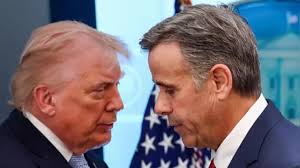
On Saturday, Trump said he had not yet reviewed the full wording of Iran’s proposal but expressed skepticism about it. “I will soon be reviewing the plan that Iran has just sent to us, but can’t imagine that it would be acceptable in that they have not yet paid a big enough price for what they have done to Humanity, and the World, over the last 47 years,” he posted on social media.
He added that while he was being briefed on the proposal’s concept, he had not seen the exact text. When asked about the possibility of renewed military action, Trump said he did not want to comment directly but noted that “it’s a possibility” depending on Iran’s actions.
Gulf tensions and stalled diplomacy
The US and Israel halted their bombing campaign against Iran about four weeks ago, after which only one round of US-Iran talks took place. However, efforts to schedule further negotiations have not succeeded.
Iran submitted its updated proposal on Thursday. A senior Iranian official said on Saturday that Tehran’s plan prioritizes ending the conflict and addressing maritime tensions first, while deferring nuclear negotiations to a later stage.
This approach appears to conflict with Washington’s position, which insists that Iran must first agree to strict limits on its nuclear program before any broader resolution. The US has repeatedly demanded that Iran surrender its stockpile of over 400 kilograms of highly enriched uranium, which it says could potentially be used for weapons development. Iran maintains its nuclear program is peaceful and says it is willing to consider some restrictions in exchange for sanctions relief, similar to the 2015 nuclear agreement later abandoned by Trump.
Strategic pressure and economic concerns
Although Trump has shown hesitation, he is facing domestic pressure over rising energy prices linked to disruptions in the Strait of Hormuz, a critical global shipping route that carries about 20% of the world’s oil and gas. His Republican Party is also concerned about potential voter backlash ahead of the November midterm elections.
Iranian media reported that its 14-point plan includes provisions such as the withdrawal of US forces from nearby regions, lifting the maritime blockade, unfreezing Iranian assets, compensation payments, sanctions relief, and an end to hostilities across multiple fronts, including Lebanon. It also proposes establishing a new oversight mechanism for the Strait of Hormuz.
Iran has reportedly restricted most commercial shipping through the Gulf for more than two months, allowing only its own vessels. In response, the US recently imposed restrictions on ships coming from Iranian ports.
A senior Iranian official, speaking anonymously, said Tehran views its proposal to postpone nuclear discussions as a major concession intended to improve chances for agreement, stating it would help create “a more conducive atmosphere” for negotiations.
Regional escalation
Meanwhile, tensions have also intensified in Lebanon. On Sunday, Israel ordered evacuations in several villages in southern Lebanon amid ongoing clashes with Hezbollah, Iran’s allied group in the region. The fighting, which runs parallel to the Iran conflict, continues to threaten broader stability.
Israel’s military issued urgent warnings for residents in 11 southern Lebanese towns and villages to leave their homes and move at least one kilometer away, saying it was conducting operations against Hezbollah following alleged ceasefire violations.
Although a separate truce was reached last month between Lebanon and Israel, sporadic fighting has continued at reduced levels, further complicating regional diplomatic efforts.