Companies across sectors—from consumer goods and travel to mining—warned on Wednesday that the US-Israel conflict with Iran is pushing up costs, disrupting supply chains, and weakening consumer confidence, casting a shadow over financial forecasts.
The cautious tone emerging in the earnings season underscores pressure on businesses already grappling with US tariffs, elevated input costs, and subdued demand even before the conflict intensified in late February.
While some firms maintained their full-year guidance, executives highlighted rising transportation and raw material expenses, particularly due to disruptions in the Strait of Hormuz, along with sharply reduced visibility.
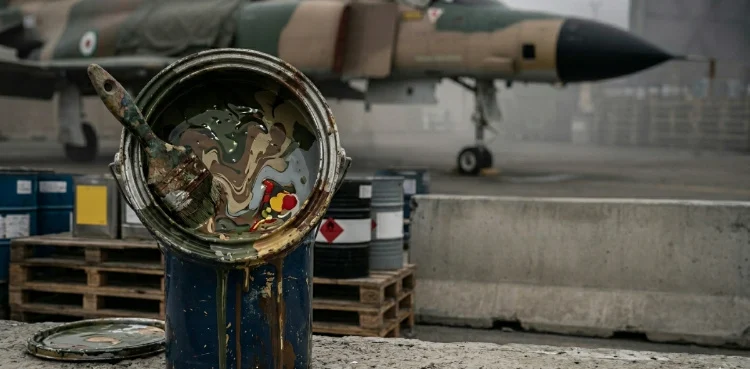
AkzoNobel, the maker of Dulux paints, said the conflict is increasing supply costs, although price adjustments and cost-cutting measures helped it exceed market expectations.
“Given the disruption in the Strait of Hormuz, our raw material basket is expected to rise by something in the high teens (percentage),” CEO Greg Poux-Guillaume told Reuters, adding that the full impact would be felt over the next two quarters.
The company’s branded products—used on cargo ships and Formula 1 cars—give it more flexibility to pass on price increases compared to more commodity-heavy chemical peers.
Investors and economists are closely monitoring whether companies can absorb the shock or whether prolonged instability in energy, transport, and geopolitics will force more firms to raise prices or revise forecasts downward.
A key factor remains how long the conflict continues and whether the Strait of Hormuz—through which around one-fifth of global oil and LNG flows—fully reopens to ease supply constraints.
U.S. stock futures edged higher, while oil prices also rose slightly on Wednesday following reports of attacks on container vessels in the strait.
“The longer this war lasts, the more we’ll see companies with weaker pricing power cut guidance,” said Brian Madden, chief investment officer at First Avenue Investment Counsel.
“And firms with stronger pricing power will pass costs on to customers, which could ultimately contribute to higher inflation.”
BABY FORMULA SHIPMENTS DISRUPTED
A Reuters review of company disclosures since the conflict began shows 21 firms have withdrawn or lowered guidance, 32 have indicated price increases, and 31 have warned of financial impacts linked to the war.
TE Connectivity said it would need to pass on higher freight and oil-based material costs, such as resin, if the conflict continues.
French food giant Danone reported stronger-than-expected first-quarter sales growth, though momentum slowed from late last year, citing disruptions to baby formula shipments and a separate product recall in Europe.
Elevator manufacturer Otis Worldwide said new equipment sales were affected by conflict-related shipping delays and tariffs.
Reckitt, maker of Dettol, warned of weaker first-half margins due to high oil prices, sending its shares to their lowest level since October 2024.
Travel and aviation companies have been among the hardest hit, as rising jet fuel costs push up fares, fuel surcharges, and operational expenses, while geopolitical tensions dampen demand.
German tourism group TUI cut its full-year operating profit forecast and suspended revenue guidance, citing ongoing uncertainty.
U.S. carrier United Airlines also warned of weaker demand, projecting second-quarter and full-year profits below market expectations.
Mining companies are also feeling pressure. South32 said higher freight and input costs are affecting operations, though it is taking steps to manage supply chain risks and is currently not facing diesel shortages.
GE WOULD HAVE RAISED FORECAST
The conflict is adding fresh uncertainty even for companies that began the year with strong demand and pricing power.
GE Aerospace CEO Larry Culp said the company would have raised its outlook if not for the current geopolitical uncertainty, while 3M warned that rising oil prices could force product price increases of up to 50 basis points.
From paint to aviation, Iran conflict pushes up costs and clouds economic outlooks